COOKING THE CUT · WAGYU
WAGYU

Hand-selected from the Pine Avenue counter, this Wagyu New York strip is cut thick, richly marbled, and built for a slower kind of dinner. The marbling is what makes Wagyu unforgettable. A hot sear builds the crust, gentle heat finishes the cook, and a patient rest gives every slice the chance to become exactly what it should be.
EXCEPTIONAL MARBLING · GENTLE COOK · WORTH THE WAIT
Wagyu Strip — From Fire to Rest
HOT SEAR · GENTLE FINISH · 125°F PULL
A beautiful sear starts the cook. Gentle heat finishes it. Pull the steak at 125°F, let it rest, and trust the marbling to do what makes Wagyu unlike anything else.

STEP ONE
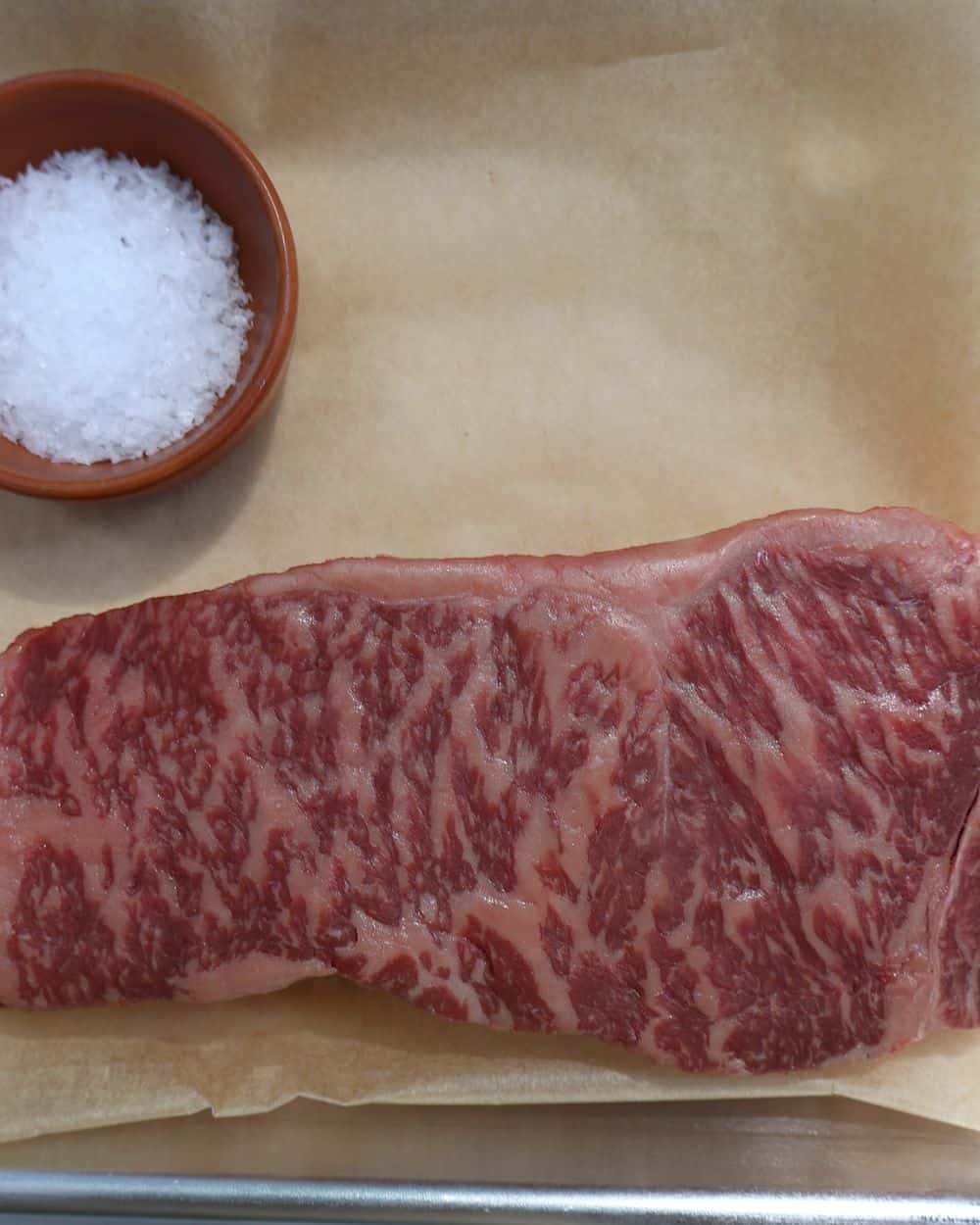
Remove the Wagyu from the refrigerator 30 to 45 minutes before cooking and pat it very dry. Season generously with kosher salt. Save the pepper for the very end so it stays fragrant instead of scorching.

STEP TWO
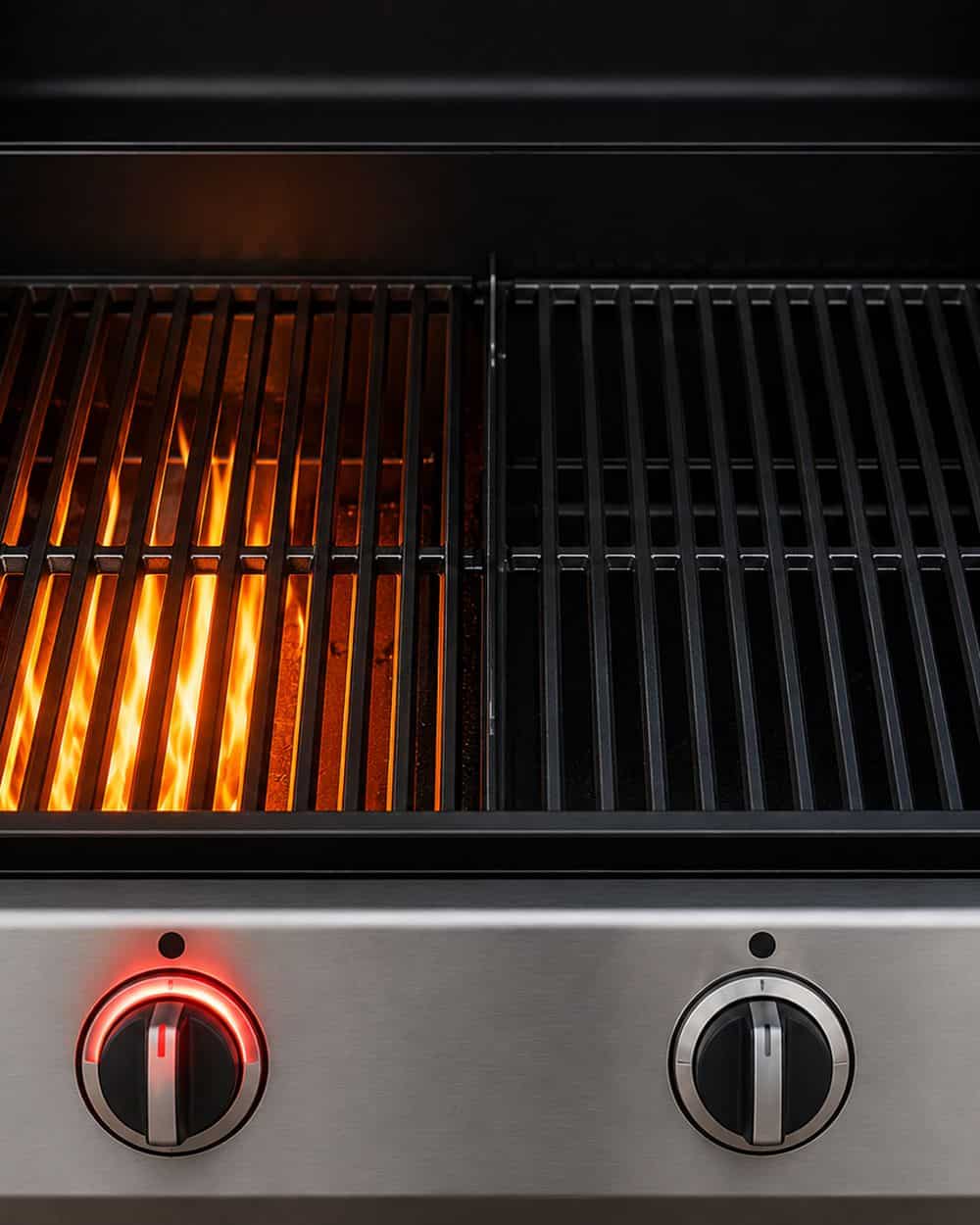
Set up the grill with a hot side for searing and a gentler side for finishing. A beautiful crust comes first. The cook finishes over lower heat.

STEP THREE
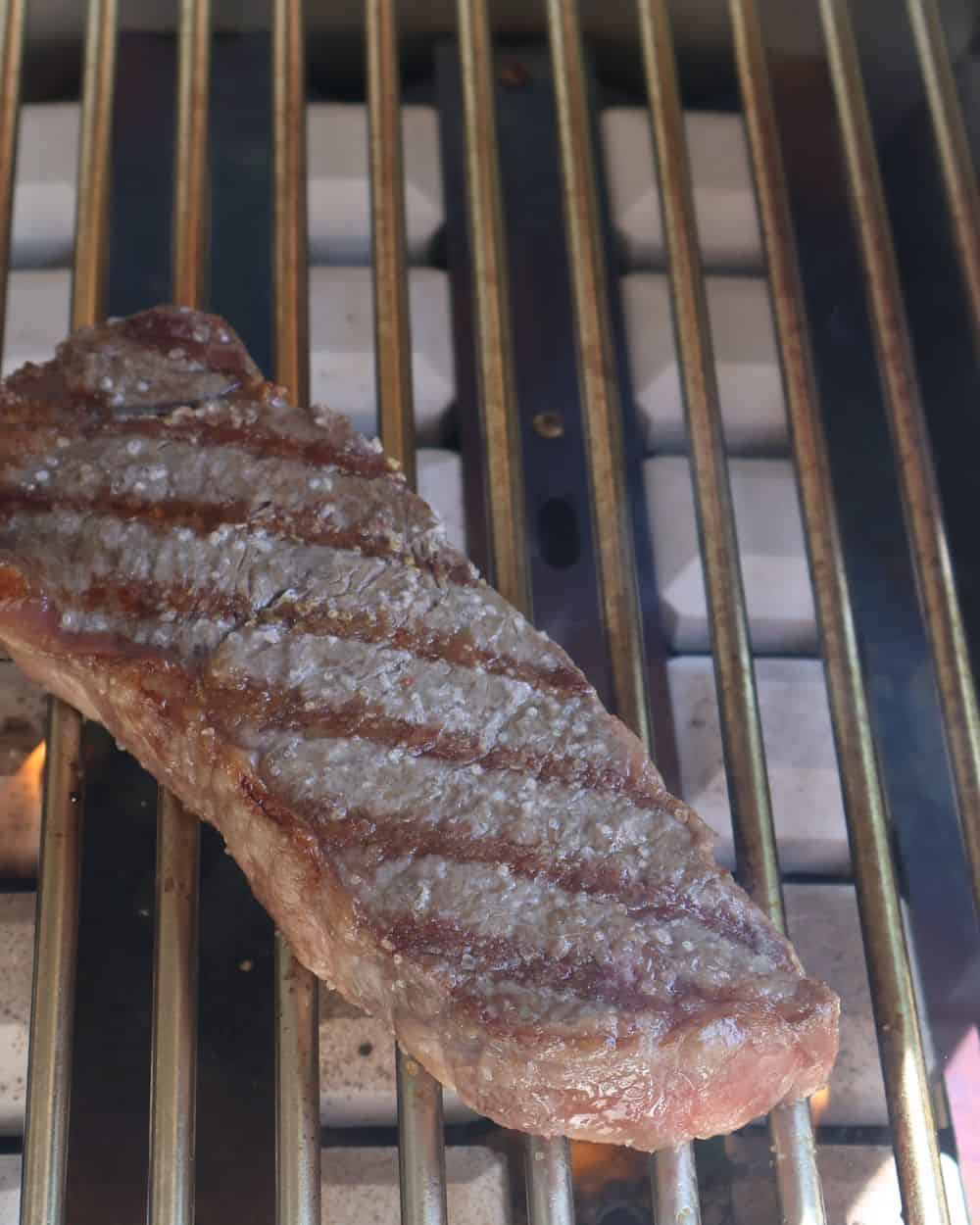
Sear the steak for 60 to 90 seconds per side over the hottest part of the fire. If the marbling causes flare-ups, move the steak briefly away from the flames until they settle. You’re looking for a rich, mahogany crust—not a heavily charred exterior.

STEP FOUR
Move the steak to gentler heat, close the lid, and cook until it reaches 125°F in the thickest part. Start checking the temperature early—Wagyu reaches doneness more quickly than a traditional strip.

STEP FIVE
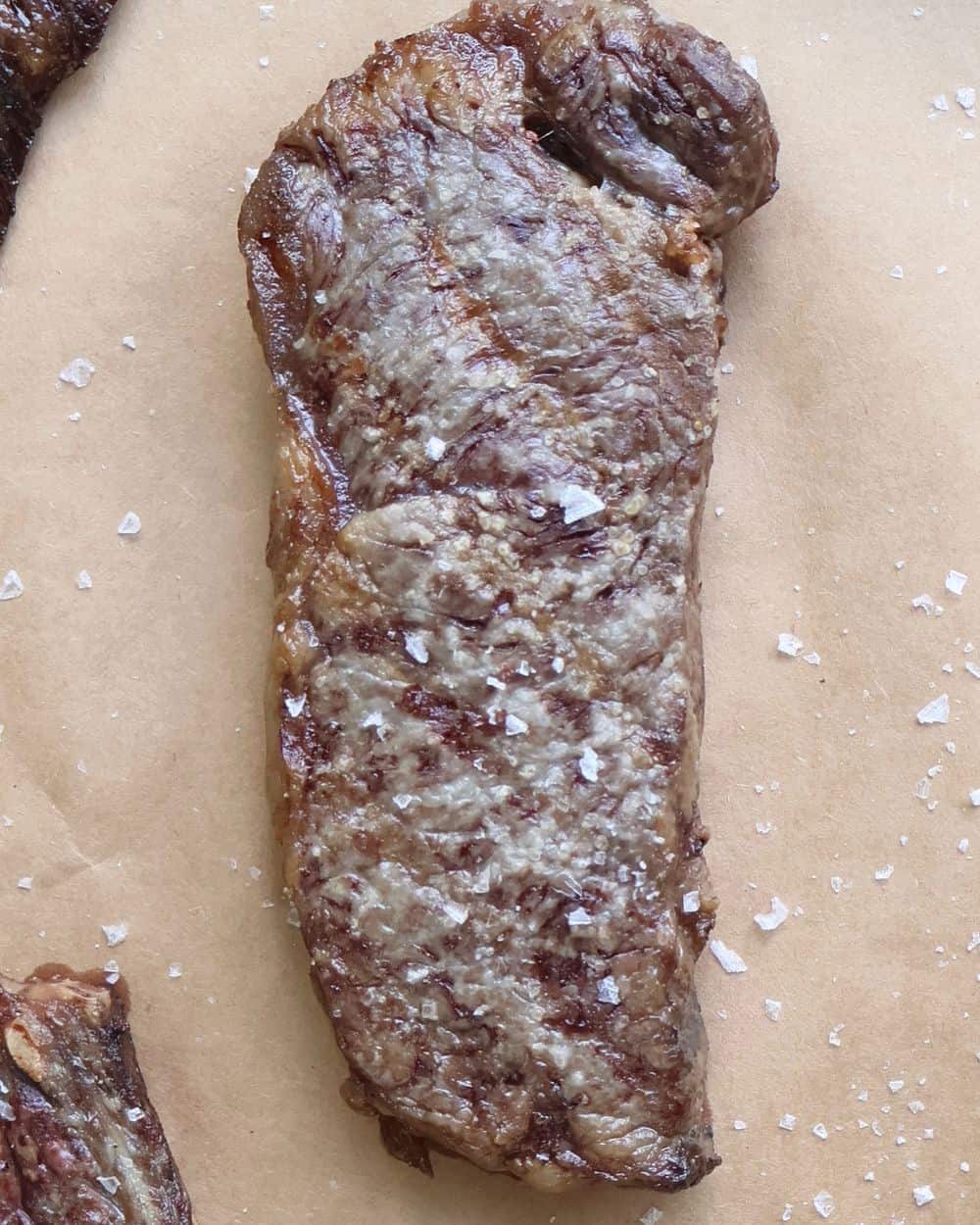
Let the steak rest for 8 to 10 minutes before slicing. It’s a small pause that makes every bite more rewarding.

STEP SIX
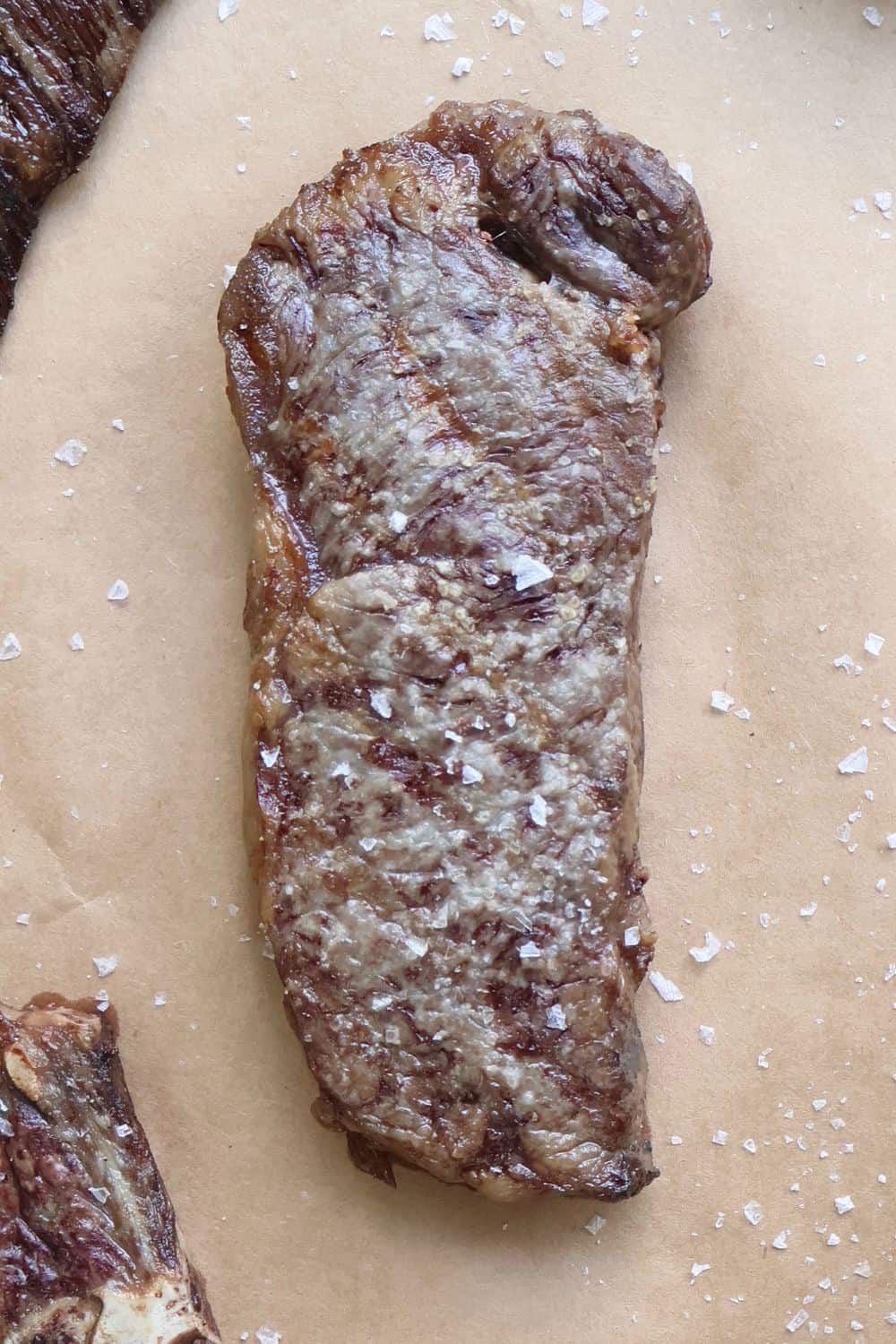
Slice the steak across the grain into half-inch slices and finish with cracked black pepper and flaky Florida Pure Sea Salt just before serving.
SET THE CUT · CHOOSE THE FINISH · COOK WITH CONFIDENCE
Set the thickness and the doneness. Wagyu reaches temp faster than regular beef — that marbling is a thermal shortcut, so probe early.
The thermometer is the recipe. Wagyu reaches temp faster than regular beef — that marbling is a thermal shortcut. Probe early.
THE FIRE, THE FINISH, THE ISLAND EVENING
Storage. Leftovers keep beautifully for up to three days. Slice them thin and enjoy them cold the next afternoon with whole-grain mustard on toasted bread. With Wagyu, the simplest second meal is often the best.
FROM THE PINE AVE COUNTER
Both work — they finish at the same internal temp. The grill is the default for backyard cookouts; the fat renders off the grates instead of into the kitchen. Cast iron is the indoor backup — same temps, more smoke. Run the hood and crack a window.
Pull at 125°F (grill) or 120°F (cast iron + oven) for medium rare. The steak climbs 5 to 10°F during the rest, landing at 130°F final. Pushing past 135°F melts marbling onto the plate, which defeats the point of buying Wagyu.
8 to 10 minutes, foil-tented. This is non-negotiable. Wagyu fat re-solidifies during the rest and stays in the bite where it belongs. Cut early and you’ll watch the fat hit the cutting board.
For a thicker Wagyu strip, 30 to 45 minutes is the sweet spot. Any longer and you pull too much moisture out — you lose the dry surface that makes the crust possible. Wagyu is not a dry-brine cut.
THE RECIPE CARD · PRINT · COOK · PASS THE BOARD

FROM THE COUNTER
The rest is the recipe. The fat that defines Wagyu is liquid the moment the steak comes off the heat. Eight to ten minutes under foil lets it re-solidify back into the bite. Cut early and you’ll watch what you paid for hit the cutting board.
Hot fire handles the sear. The marble handles the flavor.
COOKING THE CUT · THE FULL SERIES